

October25
What Materials Work Best for Everyday Faith Jewelry?

Last Updated: October 25, 2026
Quick Summary
The best everyday faith jewelry materials are stainless steel for durability and low maintenance, sterling silver for classic beauty with regular care, gold-filled for long-term wear at mid-range cost, and solid gold for lifetime pieces that never tarnish. Your choice of everyday faith jewelry materials should match your lifestyle, budget, and willingness to maintain the piece.
- Stainless steel resists tarnish naturally and requires minimal maintenance for daily wear.
- Sterling silver is 92.5% pure silver and tarnishes but remains beautiful with proper storage and occasional polishing.
- Gold-filled contains at least 5% gold by weight and lasts 10-30 years with normal daily use.
- Solid 14k gold is naturally hypoallergenic and tarnish-resistant, making it ideal for sensitive skin and lifetime wear.
- Stainless steel and solid gold are the best choices for those with nickel allergies or sensitive skin.
Table of Contents
- Why Material Choice Matters for Everyday Faith Jewelry
- Jewelry Metals That Do Not Tarnish
- Sterling Silver Jewelry Care for Daily Wear
- Gold-Filled Jewelry for Everyday Wear
- Hypoallergenic Jewelry Metals for Sensitive Skin
- Comparing Cost and Durability Across Materials
- Choosing Your Faith Jewelry Based on Lifestyle
- Frequently Asked Questions
Why Material Choice Matters for Everyday Faith Jewelry
When you wear faith jewelry every day, the everyday faith jewelry materials you choose determine whether your piece will last a lifetime or tarnish and fade within months. View the Christus Necklace in Sterling Silver to explore a faith jewelry piece that demonstrates material quality for daily wear.

Everyday faith jewelry materials directly impact durability, comfort, and appearance. A piece that feels heavy and irritates your skin won't get worn. A material that tarnishes quickly will lose its shine and require constant maintenance.
The materials you choose affect more than just longevity. They influence whether your skin develops a green tint, whether you experience allergic reactions, and how much time you'll spend cleaning and caring for your piece. Some metals are forgiving; others demand attention. Some cost significantly more upfront but require minimal maintenance over decades.
The Smithsonian's guide to jewelry metal care notes that understanding material composition is essential for making informed choices about pieces you'll wear constantly. Your faith jewelry should serve as a daily reminder of your commitment, not a source of frustration.
Jewelry Metals That Do Not Tarnish
Tarnishing is the enemy of jewelry that's worn daily. When a metal tarnishes, it develops a dull, discolored surface layer that requires polishing to restore. For jewelry you wear every single day, tarnish-resistant metals are non-negotiable.
Stainless steel stands out as one of the most tarnish-resistant options available. It resists oxidation and corrosion naturally, which means it maintains its shine without the constant polishing that other metals demand.
Solid gold, whether 14k yellow, white, or rose gold, is naturally tarnish-resistant because of its composition. Gold doesn't oxidize the way silver does. A 14k gold piece contains 58.3% pure gold mixed with other metals for strength, and this combination resists tarnishing beautifully.
Palladium is another excellent choice for those seeking tarnish resistance with a lighter weight than gold. It's hypoallergenic and extremely durable, though it's less commonly used in faith jewelry than the options above.
The key distinction: stainless steel offers tarnish resistance at an affordable price, while solid gold provides tarnish resistance plus the prestige and longevity of a precious metal. Neither requires the maintenance that sterling silver demands.
Sterling Silver Jewelry Care for Daily Wear
Sterling silver is beautiful, affordable, and accessible, but it tarnishes. This is the trade-off. If you choose sterling silver for everyday wear, you're accepting that maintenance is part of the commitment.
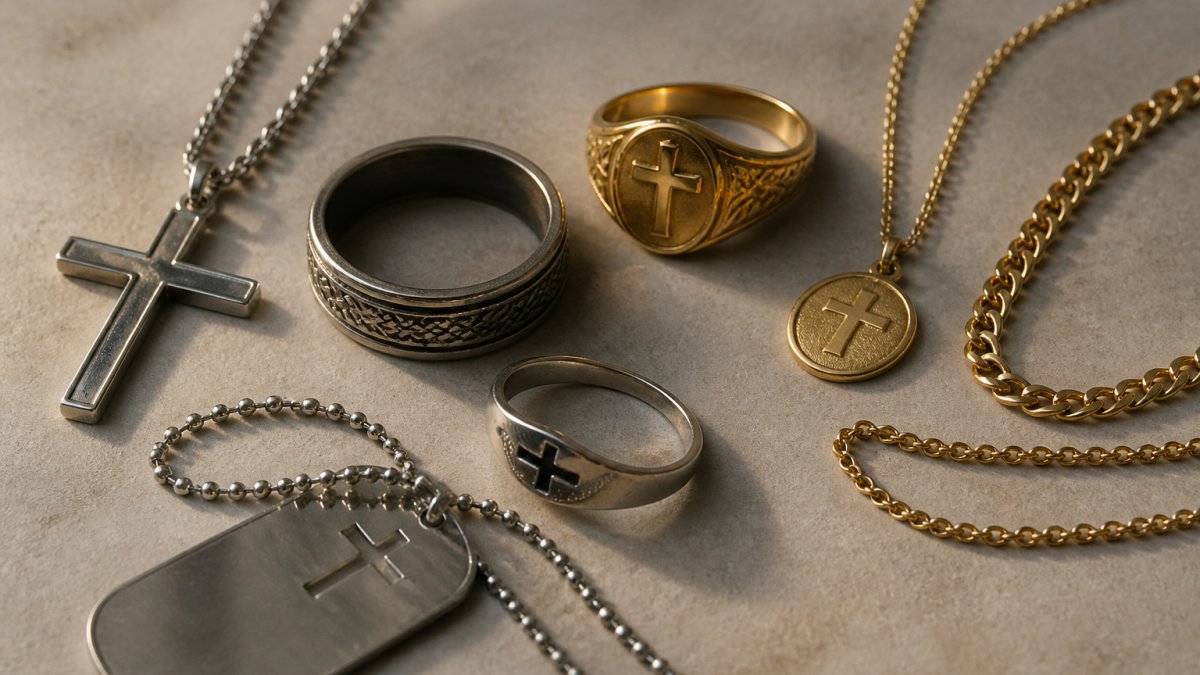
Sterling silver is 92.5% pure silver mixed with other metals (usually copper) for strength. This composition makes it durable enough for rings, necklaces, and earrings, but the copper content oxidizes when exposed to air, moisture, and sulfur compounds in the environment.
The good news: tarnish is entirely preventable with proper storage and handling. Keep your sterling silver pieces in airtight containers or anti-tarnish pouches when you're not wearing them. Avoid exposing them to moisture, perfumes, lotions, and harsh chemicals.
For those committed to daily wear, sterling silver remains an excellent choice.
The American Chemical Society's explanation of tarnish formation describes the oxidation process in detail. Understanding why tarnish happens makes it easier to prevent it through proper storage and care routines.
One customer shared: "It is beautiful, simple and I get so many compliments on it!" The key to their satisfaction was choosing a material that matched their willingness to care for it.
Gold-Filled Jewelry for Everyday Wear
Gold-filled is different from gold-plated, and understanding this distinction matters for everyday wear. Gold-filled jewelry consists of a thick layer of solid gold bonded to a base metal core, typically brass or copper. This construction offers genuine gold on the surface with the affordability and durability of a base metal underneath.
Gold-filled pieces contain at least 5% gold by weight (by law), and quality gold-filled jewelry often contains significantly more. This thickness means the gold layer won't wear away quickly with daily wear. A gold-filled piece can last 10-30 years with normal use, making it a middle ground between solid gold and gold-plated options.
The advantage of gold-filled for everyday faith jewelry is practical: you get the look and feel of solid gold without the investment required for 14k pieces. Gold-filled resists tarnishing like solid gold does, requires minimal maintenance, and handles daily wear beautifully. It's an excellent choice for pieces you'll wear constantly but don't want to worry about damaging.
Gold-plated jewelry, by contrast, has only a thin layer of gold (typically 0.5 microns or less) over a base metal. This thin coating wears away relatively quickly with daily wear, especially on pieces like rings that experience constant friction. After months or a year of daily wear, the base metal shows through, and the piece may begin to tarnish or discolor. For everyday faith jewelry, gold-filled is the superior choice over gold-plated.
For those seeking gold-filled alternatives, the principle remains the same: thicker is better, and genuine gold content matters more than surface appearance alone.
Hypoallergenic Jewelry Metals for Sensitive Skin
Nickel is the most common cause of jewelry allergies and skin reactions. When nickel-containing metals touch your skin, some people experience redness, itching, or a green discoloration. If you have sensitive skin or a known nickel allergy, material choice becomes essential.
Solid gold (14k and higher) is naturally hypoallergenic because the high gold content means minimal nickel or other reactive metals. Pure gold itself doesn't cause allergic reactions.
CTR Ribbon Bow Ring, Silver #273 →
Sterling silver is generally hypoallergenic for most people, though some react to the copper content. If you're sensitive to copper specifically, sterling silver may cause irritation. Stainless steel (surgical-grade stainless steel, specifically 316L) is hypoallergenic for the vast majority of people.
Palladium is another excellent hypoallergenic option, though less common in faith jewelry designs.
The metals to avoid if you have sensitive skin: nickel-containing alloys, some brass compositions, and cheaper plated jewelry where the base metal is exposed through wear.
If you're unsure whether you have a nickel sensitivity, consider starting with stainless steel or solid gold pieces. Both are reliably hypoallergenic and won't cause the discoloration or irritation that nickel-containing metals can trigger.
Comparing Cost and Durability Across Materials
The relationship between price and longevity isn't always straightforward. A more expensive material isn't always the best choice for your situation.
| Material | Price Range | Tarnish Resistance | Hypoallergenic | Maintenance | Best For |
|---|---|---|---|---|---|
| Stainless Steel | $35-$59 | Excellent | Yes | Minimal | Daily wear, budget-conscious, sensitive skin |
| Sterling Silver | $27-$79 | Moderate | Mostly | Regular polishing | Those willing to care for pieces |
| Gold-Filled | $100-$300+ | Excellent | Yes | Minimal | Long-term daily wear, gold look at lower cost |
| 14K Solid Gold | $275-$1,580+ | Excellent | Yes | Minimal | Lifetime pieces, heirlooms, no compromise |
Stainless steel offers the best value for everyday wear. At $35.00 for the Christus Necklace in stainless steel, you get a durable, tarnish-resistant piece that requires virtually no maintenance. Over a decade of daily wear, you'll spend almost nothing on care or replacement.
Sterling silver costs slightly more upfront but demands regular maintenance. If you're willing to polish your pieces monthly or quarterly, sterling silver delivers classic beauty.
14K solid gold represents the highest upfront investment but the lowest lifetime cost of ownership. A 14K piece costs significantly more initially, the CTR Heart Ring in 14K gold runs $755.00, but it will never tarnish, requires minimal care, and can be worn and cherished for a lifetime.
The Federal Trade Commission's jewelry labeling guide clarifies the definitions of gold-filled, gold-plated, and solid gold so you can verify what you're purchasing and make informed decisions based on accurate material descriptions.
Choosing Your Faith Jewelry Based on Lifestyle
Your lifestyle determines which material will serve you best. This isn't about choosing the most expensive option, it's about matching material to reality.
If you exercise frequently, swim, or work in humid or chemical-heavy environments, stainless steel is your best choice. It handles moisture, sweat, and environmental exposure without degrading.
If you have sensitive skin or a known nickel allergy, solid gold or high-quality stainless steel are your safest bets. Avoid anything plated or made from alloys with uncertain composition.
If you're buying a baptism or confirmation gift and want something the recipient will treasure for decades without worrying about maintenance, solid gold is the ideal choice.
If you love the classic beauty of silver and don't mind occasional polishing, sterling silver delivers timeless aesthetic at accessible prices. Browse the full collection of faith jewelry options to find pieces matching your lifestyle needs.
The decision ultimately rests on three factors: your budget, your lifestyle, and how much maintenance you're willing to commit to. There's no universally "best" material, there's only the best material for your specific situation.
Choosing the right material for everyday faith jewelry means balancing durability, cost, and personal commitment. Stainless steel delivers uncompromising daily-wear performance at accessible prices. Sterling silver offers classic beauty for those willing to maintain it.
Frequently Asked Questions
What materials work best for everyday faith jewelry?
Sterling silver, 14K gold, and stainless steel are the top choices for everyday faith jewelry. Sterling silver offers a classic look and affordability; 14K gold provides durability and timeless elegance; stainless steel resists tarnishing and suits active lifestyles. Your choice depends on your skin sensitivity, budget, and how often you wear the piece. All these materials can handle frequent wear when properly maintained.
Which jewelry metals are least likely to tarnish?
Stainless steel and 14K gold do not tarnish easily. Sterling silver will tarnish over time but resists it better than lower-quality silver alloys. If you want minimal maintenance, stainless steel or solid gold are your best options for everyday faith jewelry.
Is sterling silver suitable for everyday faith jewelry?
Yes, sterling silver works well for everyday wear if you're willing to maintain it. Sterling silver is 92.5% pure silver, making it durable and beautiful. It will tarnish with exposure to air and moisture, but regular cleaning keeps it looking new. Many faith jewelry pieces, like CTR rings and heart necklaces, are crafted in solid sterling silver and designed to withstand daily wear. A simple polishing cloth or gentle cleaning routine preserves its shine.
What should I do if I have sensitive skin and want faith jewelry for daily wear?
Choose hypoallergenic jewelry metals like 14K gold or stainless steel. These metals minimize allergic reactions and skin irritation. Sterling silver is hypoallergenic for most people, though some react to other alloy metals mixed with it. If you're uncertain, test a piece for a few hours first. Solid gold and surgical stainless steel are the safest options for sensitive skin.
How often should I clean my faith jewelry if I wear it every day?
Clean sterling silver pieces weekly with a soft polishing cloth or gentle soap and water to prevent tarnish buildup. Stainless steel and gold require less frequent cleaning, monthly or as needed. Remove jewelry before swimming, showering, or exercising to reduce exposure to chlorine, salt water, and sweat, which accelerate tarnishing and wear. Store faith jewelry in a dry place away from humidity. Regular care extends the life of your piece and keeps it looking beautiful for years.
What is the difference between gold-filled and gold-plated jewelry?
Gold-filled jewelry has a thick layer of gold bonded to a base metal, making it much more durable than gold-plated pieces. Gold-filled items can last 10-30 years with proper care and resist tarnishing better than sterling silver. Gold-plated jewelry has only a thin coating of gold, which wears away faster with daily wear. For everyday faith jewelry, gold-filled offers better durability and longevity than gold-plated, though solid gold provides the longest lifespan. Gold-filled is a cost-effective middle ground between affordable silver and expensive solid gold.
Can I wear stainless steel faith jewelry in the water?
Stainless steel is highly water-resistant and can handle exposure to water better than sterling silver or gold-plated pieces. You can shower or swim with stainless steel faith jewelry without immediate damage. However, prolonged exposure to chlorine or salt water can still cause some wear over time, so remove it before extended water activities when possible. Stainless steel's resistance to tarnishing and corrosion makes it ideal for active lifestyles and frequent daily wear.
