

November22
How to Choose LDS Jewelry That Won't Tarnish
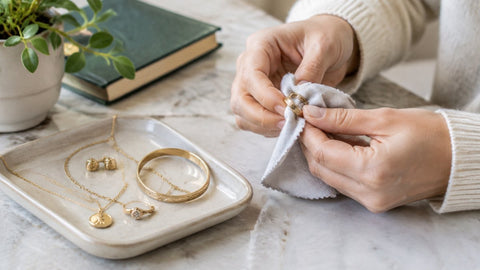
Last Updated: November 22, 2026
Quick Summary
LDS jewelry that won't tarnish starts with honest material selection: solid 14K gold resists tarnish best, followed by 14K gold-filled and gold PVD over stainless steel. Sterling silver tarnishes repeatedly but polishes back, while gold-plated brass wears fastest under daily use.
- Sterling silver, brass, and copper-based alloys tarnish fastest among common jewelry materials.
- Ask sellers to name the base metal and gold content rather than trusting a tarnish-resistant label.
- Take plated and gold-filled pieces off before swimming, showering, and heavy workouts.
- Never use toothpaste, bleach, abrasive pads, or ultrasonic cleaners, which strip plating and scratch coatings.
- Celestial Ringdom offers a 25 Year Warranty and 100% Money-back Guarantee on its pieces.
Which LDS jewelry actually holds up?Celestial Ringdom crafts original CTR rings and necklaces in durable 14K gold, backed by a 25 Year Warranty.
Explore CTR Rings
Table of Contents
- Why LDS Jewelry Tarnishes and What It Means for Daily Wear
- Tarnish-Resistant Jewelry Materials: A Practical Comparison
- How to Verify Tarnish-Resistant Claims Before You Buy
- Jewelry That Doesn't Tarnish: Realistic Lifespan and Limits
- LDS Jewelry for Men: Rings, Chains, and Everyday Durability
- How to Clean Tarnished Jewelry Without Damaging the Finish
- Choosing Your Tarnish-Resistant LDS Piece
- Frequently Asked Questions
Why LDS Jewelry Tarnishes and What It Means for Daily Wear
Tarnish is a surface reaction, not a flaw in your faith or your taste. It forms when base metals in a piece react with oxygen, moisture, sweat, and everyday chemicals, leaving a dull film or a green mark on skin. Customers often tell us that jewelry they bought elsewhere discolored within months. In most cases, the metal underneath the finish is the cause, not the design.
Sterling silver, brass, and copper-based alloys tarnish fastest. Gold plating can wear thin at contact points, exposing whatever sits below. A ring worn daily against a steering wheel, a keyboard, and dish soap takes far more abuse than a pendant worn on Sundays. That is why LDS jewelry that won't tarnish starts with honest material selection, not a marketing claim.
If you have already dealt with green skin or a darkened band, our guide on how to prevent jewelry from turning skin green explains the chemistry and the fixes in plain terms.
Tarnish-Resistant Jewelry Materials: A Practical Comparison
No material is truly tarnish-proof forever. The honest question is how long a piece holds its appearance under daily wear and what maintenance it needs along the way. The table below compares common jewelry materials, including sensitive-skin and nickel considerations.
| Material | Tarnish Resistance | Typical Daily-Wear Lifespan | Relative Cost | Nickel Risk | Care Needed |
|---|---|---|---|---|---|
| Solid 14K gold | Excellent | Decades; often generational | Highest | Very low (14K yellow gold alloys are commonly nickel-free) | Occasional polish |
| 14K gold-filled | Very good | Years of regular wear | Moderate to high | Low, but confirm the alloy | Light cleaning |
| Gold PVD over stainless steel | Good | Several years before coating wear shows | Moderate | Low; steel base is usually nickel-safe | Avoid abrasives |
| Sterling silver | Moderate | Indefinite with polishing; tarnishes repeatedly | Moderate | Very low | Regular polishing |
| Gold-plated brass | Low | Months to a couple of years under daily wear | Lowest | Higher; brass alloys and plating can contain nickel | Gentle handling |
If you have reacted to jewelry before, ask the seller to confirm the alloy rather than relying on marketing terms.
Best for: heirloom pieces and daily rings. Skip if: you want a low-maintenance piece under heavy use. If silver suits your budget, browse our silver CTR rings for a material that polishes back to brightness.
How to Verify Tarnish-Resistant Claims Before You Buy
Ask what the base metal is. A listing that says "tarnish-resistant" without naming the underlying metal is telling you very little. Reputable sellers state the material, the plating thickness or gold content, and the finish process.
Watch for these signals:
- Specific gold content: "14K gold" or "14K gold-filled" means something measurable. "Gold tone" does not.
- Named base metal: stainless steel, sterling silver, brass, or a specific alloy.
- Care instructions included: a seller confident in durability will tell you how to clean the piece.
- A written guarantee: Celestial Ringdom offers a 25 Year Warranty and 100% Money-back Guarantee.
A common mistake is trusting the word "waterproof" on a plated piece. Water itself is not the enemy; trapped moisture under a worn plating is. Ask how thick the plating is before you believe the claim.
Jewelry That Doesn't Tarnish: Realistic Lifespan and Limits
Jewelry that doesn't tarnish is a promise no maker can make for every material. What you can expect depends on metal, finish, and how you wear it.
LDS Jewelry for Men: Rings, Chains, and Everyday Durability
Men tend to wear one piece every single day, which makes material choice matter more. A CTR ring on a working hand meets tools, gym equipment, and hand soap constantly. Stainless steel and gold PVD finishes handle that pace well. Solid gold handles it best.
Chain choice matters too. A curb chain in stainless steel resists stretching and tarnish better than a thin plated chain, and a slightly heavier link survives daily wear. For men's pieces built for that routine, our men's CTR rings are sized and finished for constant wear rather than occasional display.
Watch out: a plated chain worn in the shower will fail at the clasp first, because moisture sits in the crevices where plating is thinnest.
How to Clean Tarnished Jewelry Without Damaging the Finish
Most guides stop at "use a soft cloth." Care depends on how a piece is worn. Start gentle and escalate only if needed, and match the method to the metal.
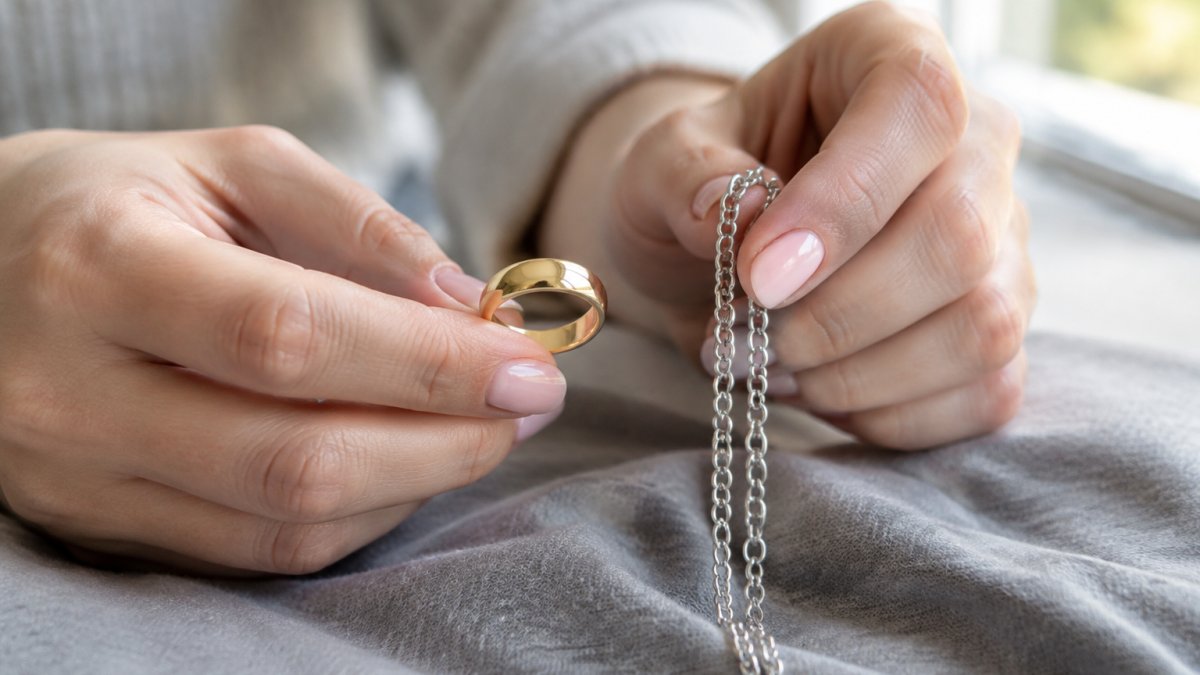
Water, sweat, and lotions. Water itself is not the enemy; trapped moisture under a worn plating is. Take plated and gold-filled pieces off before swimming, showering, and heavy workouts, and wipe them dry before storage. Sweat is mildly acidic and accelerates wear on any plated piece, so rinse and dry after exercise. Lotions, sunscreen, perfume, and hairspray leave films that dull gold and speed tarnish on silver; apply them first, let them dry, then put jewelry on.
Cleaning by material.
- Mix a few drops of mild dish soap into warm water.
- Soak the piece for two to three minutes.
- Wipe with a soft microfiber cloth, not a paper towel.
- Dry completely before storing.
- For sterling silver, use a silver polishing cloth on the tarnished areas only.
What never to use. Toothpaste, bleach, abrasive pads, and ultrasonic cleaners can strip plating, scratch PVD coatings, and pit gold-filled surfaces, exposing the base metal and accelerating the exact problem you are trying to solve. Watch out: a plated chain worn in the shower will fail at the clasp first, because moisture sits in the crevices where plating is thinnest.
Storage that actually works.
When to use the warranty. Celestial Ringdom offers a 25 Year Warranty and 100% Money-back Guarantee. Review the warranty terms before attempting a home fix.
Choosing Your Tarnish-Resistant LDS Piece
Match the material to the wearer and the occasion. A baptism gift for a child should be simple and easy to care for. A grandparent's gift should be a piece meant to last.
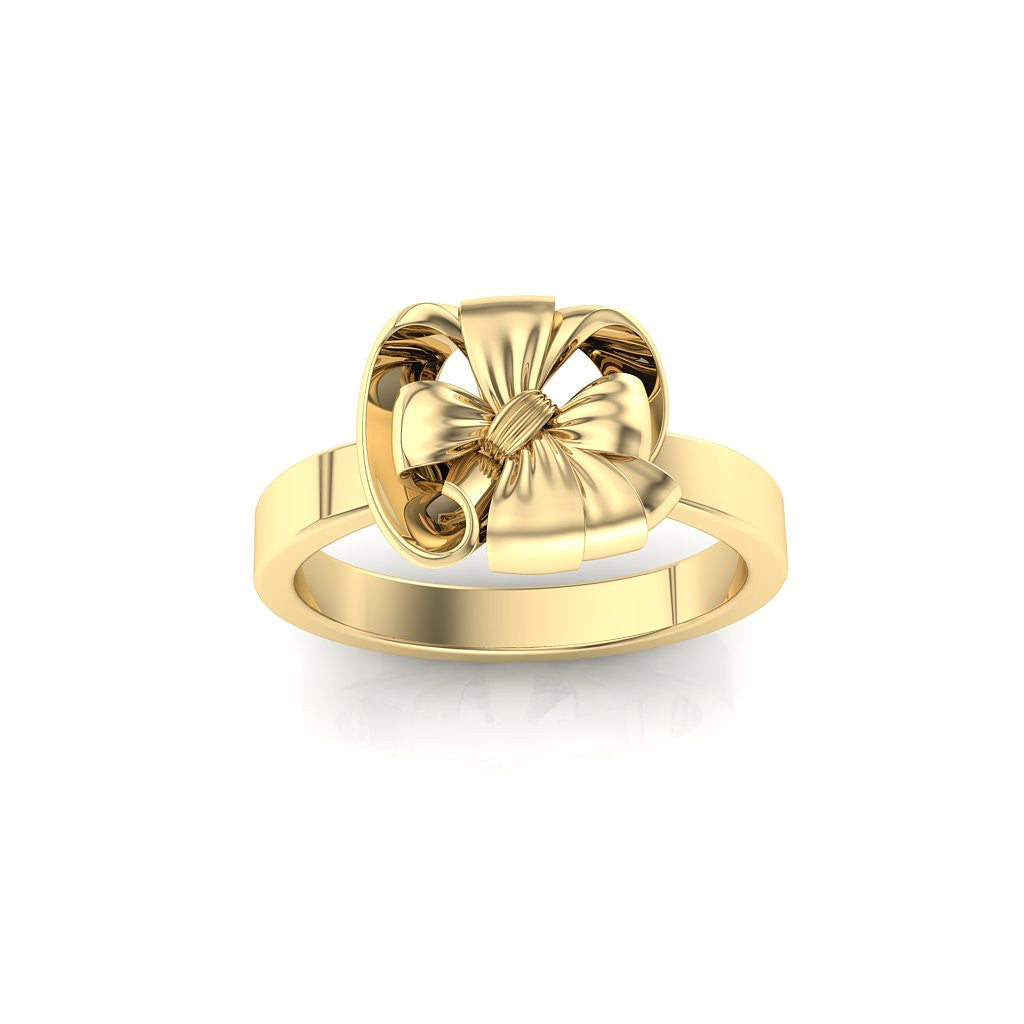
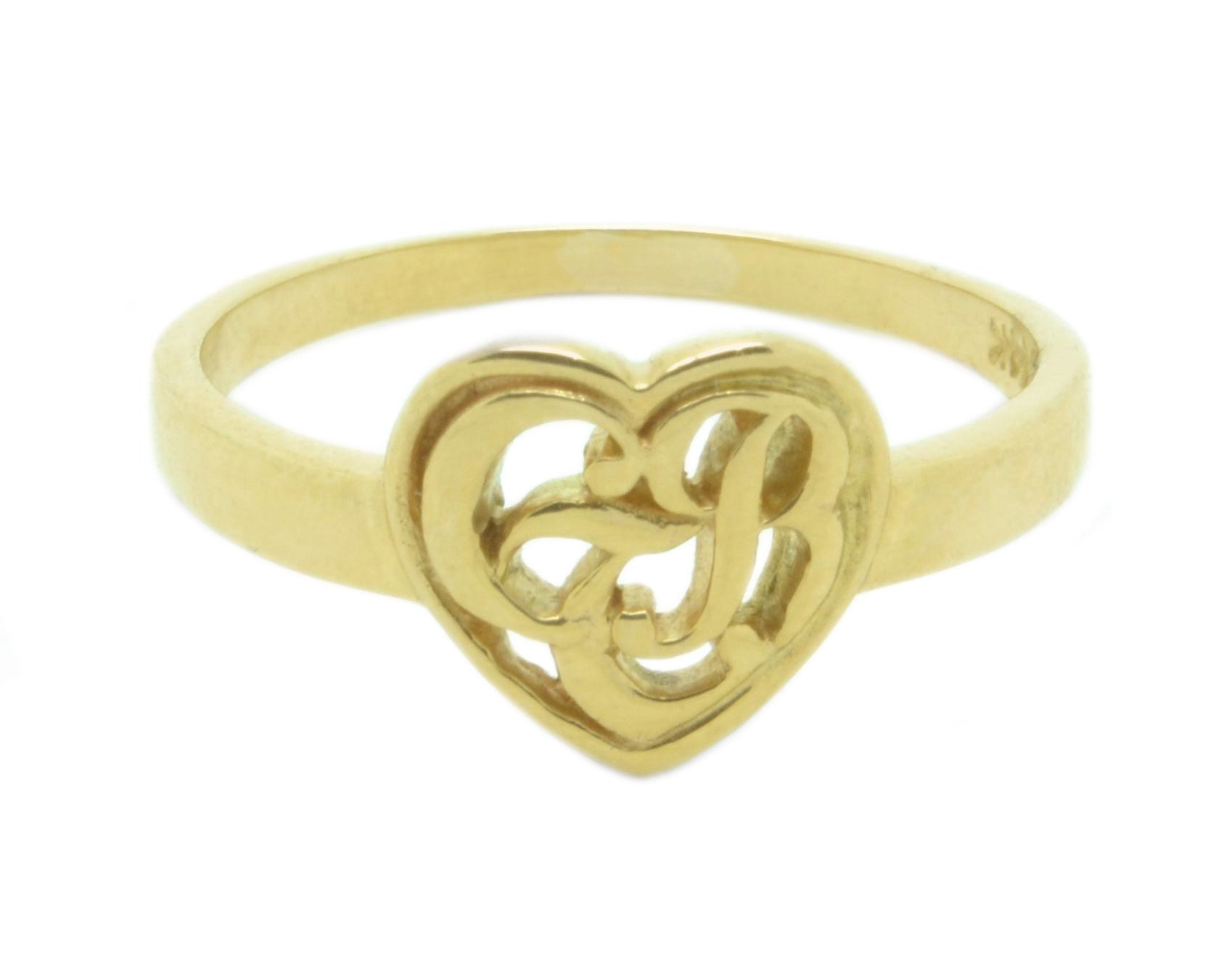
Our 14K pieces are offered in yellow, white, or rose gold. The CTR Heart Necklace, Plain. 14K #114 at $275.00 forms a heart from traditional scroll letters and comes in yellow, white, or rose gold. The CTR Heart Ring, 14K #123 at $755.00 matches it as a set. For a statement piece, the CTR Ribbon Bow Ring, 14K #273 at $1,580.00 builds the letters into a ribbon bow, 10.2mm wide at the top and tapering to 3.15mm at the base.
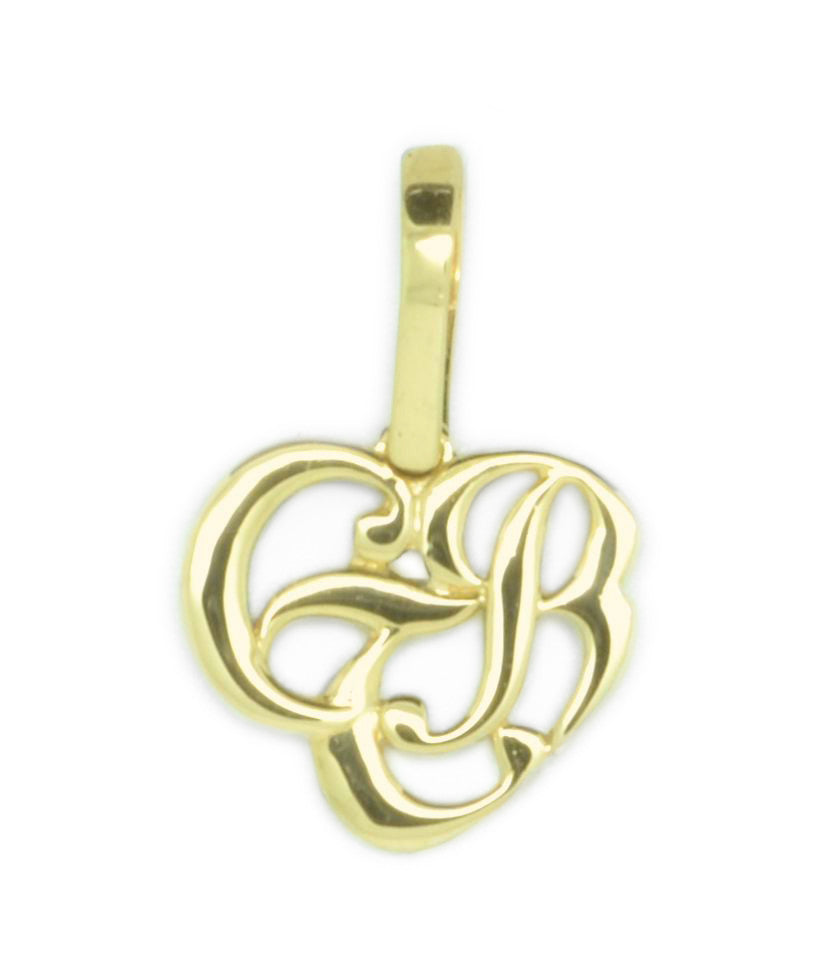
If you are shopping for a younger family member, our guide to the best materials for kids' CTR rings walks through the trade-offs. And if you want help styling a piece for everyday outfits, see how to style modern LDS jewelry trends in 2026.
Choosing faith jewelry that survives daily life comes down to knowing what is under the finish. Celestial Ringdom designs original CTR rings, necklaces, and earrings in materials selected for wear, not just for the display case. Every piece carries our 100% Money-back Guarantee and 25 Year Warranty, and US orders over $50 ship free. As one customer put it about our CTR Heart pendant, "she can wear for the rest of her life." Start with a material you trust and care for it simply.
Frequently Asked Questions
What kind of jewelry material doesn't tarnish?
Solid gold, platinum, and high-quality stainless steel resist tarnish best because they don't react with air and moisture the way base metals do. Gold-plated and gold-filled pieces last longer than costume jewelry but can wear over time with daily friction. Sterling silver tarnishes naturally and needs regular cleaning. For LDS jewelry worn every day, 14K gold and stainless steel offer the most reliable tarnish resistance.
How can I tell whether LDS jewelry is made from tarnish-resistant materials?
Check the product listing for specific material names like 14K gold, 18K gold-plated, gold PVD, or 316L stainless steel rather than vague terms like 'gold tone.' Look for a stated warranty and care instructions. A 25-year warranty, like the one Celestial Ringdom offers, signals confidence in durability. Ask the seller directly what base metal sits under any plating and how thick the plating is.
Does gold-filled jewelry tarnish?
Gold-filled jewelry has a thick layer of gold bonded to a base metal, so it resists tarnish far better than gold-plated pieces. It can still dull over years of heavy wear, especially where the gold layer thins at high-friction points. Clean it gently with mild soap and water, dry it fully, and store it away from humidity.
Can water, sweat, or perfume cause jewelry to tarnish?
Yes. Moisture, sweat, lotions, and perfume accelerate tarnish on plated and base-metal pieces by breaking down the surface layer. Remove jewelry before swimming, showering, or applying perfume, and wipe it with a soft cloth after wear. Solid gold and stainless steel tolerate these exposures better,
